Lots of things are made from plants, most notably, food, but lots of
other things are made from plants and some of those things can be made
at home from plants you probably have access to. The following is a list
of plant based products that can be made at home
Need a pre-emergent weed killer for your lawn or garden? It's called
corn meal. Actually it's the Corn Gluten in the meal that does the trick
but corn meal is about the closest thing you'll find in your local
grocery store or feed mill. Walnut shells ground to a powder will also
keep the weeds down. Try mixing either with vinegar and it becomes a
post-emergent and pre-emergent weed killer combined.
Combining ground hot peppers and garlic with water and soap or vegetable
oil works to repel most insects and mammals from anything you spray it
on. It's great for keeping the dogs from peeing on your tires or
sensitive plants and repels cats too. But it won't repel birds.
Orange, lemon and grapefruit peels can be pressed for oil that can be
mixed with water and and used to repel some kinds of birds. It will help
you keep your chickens from eating your garden before you do. Like the
repellent above, it's perfectly harmless when sprayed on and around your
crops.
Saponaria, soapwort, yucca, New Jersey tea plant, red clover, Chinese
soap berry, aloe, lavender and other plants can be used to make soap.
Even the lye in lye soap is a residue from the burning of wood. Flower
petals and the leaves of aromatic plants can be added if you want your
soap to smell pretty. Most commercially made soaps contain lye and palm
oil, coconut oil, olive oil or laurel oil.
Sawdust can be used as cat litter.
Sawdust and corn starch can be made into charcoal briquettes. The
sawdust must first be processed via pyrolysis-- burning in a low oxygen environment. Pyrolysis is what gives
bread a crust. Unlike Kingsford and other commercial briquettes, your
charcoal briquettes won't contain that nasty coal that is mined via
mountaintop removal.
Showing posts with label Money Tips. Show all posts
Showing posts with label Money Tips. Show all posts
Friday, June 8, 2012
Saturday, May 26, 2012
Eating Wild In The Uptown
Everyone likes a free lunch and if salads are your thing then finding free lunches in the Uptown is as easy as finding an abandoned lot or neighbor who doesn't mow as often as most.
Apples aren't native but numerous wild apple trees can be found in the Uptown.

Broad Leaf Plantin is good boiled twice like other strong greens.

I enjoy cactus pads chopped up and mixed in scrambled eggs. You'll need to wear gloves and remove the pointy things before you attempt to eat them. Otherwise they bite back. Cactus flowers and fruits are also good to eat.

Ground and dried Chicory roots were used as a caffeine free coffee substitute during WW2 when coffee was rationed. Slightly bitter, the leaves and light blue flowers are good in salads.

My mother was raised on Lambs Quarter as a salad green. Like so many who grew up during the Great Depression, this was necessary to survival.

This is a Mulberry Tree. Sadly, the birds beat me to the Mulberries.

Narrow Leaf Plantin is used the same as its broad leaf cousin.

Most folks don't like it much but if you're really hungry you can eat clover. This is a red clover.

Spearmint is one of dozens of wild mints that grow here. We use it to flavor our iced tea and coffee.

Thistle is another plant that bites back if handled wrong. Pick the younger plants and boil the leaves until tender. I like to mix Dandelion greens, Plantin, Thistle and Chicory with a few wild onions and serve it with vinegar.

These aren't wild but Tomatillos are native to our area. The fruits grow inside a paper like husk that looks like a Chinese Lantern. Tomatillos are sometimes called Chinese Lanterns, Ground Cherries or Mexican Tomatos. They're $4.oo a pound in the grocery stores. I use them in salsas, make Tomatillo Relish, scramble them in eggs and fry them like green tomatoes.

Dutch White Clover grows anywhere and everywhere.

Another wild clover that has a bit of a sour taste.

This is a Wild Purple Basil. It's not as good as Sweet Basil but will do in a pinch. After trying to eradicate this stuff from our garden for 40 plus years we finally gave up and started eating it. I use it most often to flavor vinegar.

Apples aren't native but numerous wild apple trees can be found in the Uptown.

Broad Leaf Plantin is good boiled twice like other strong greens.

I enjoy cactus pads chopped up and mixed in scrambled eggs. You'll need to wear gloves and remove the pointy things before you attempt to eat them. Otherwise they bite back. Cactus flowers and fruits are also good to eat.

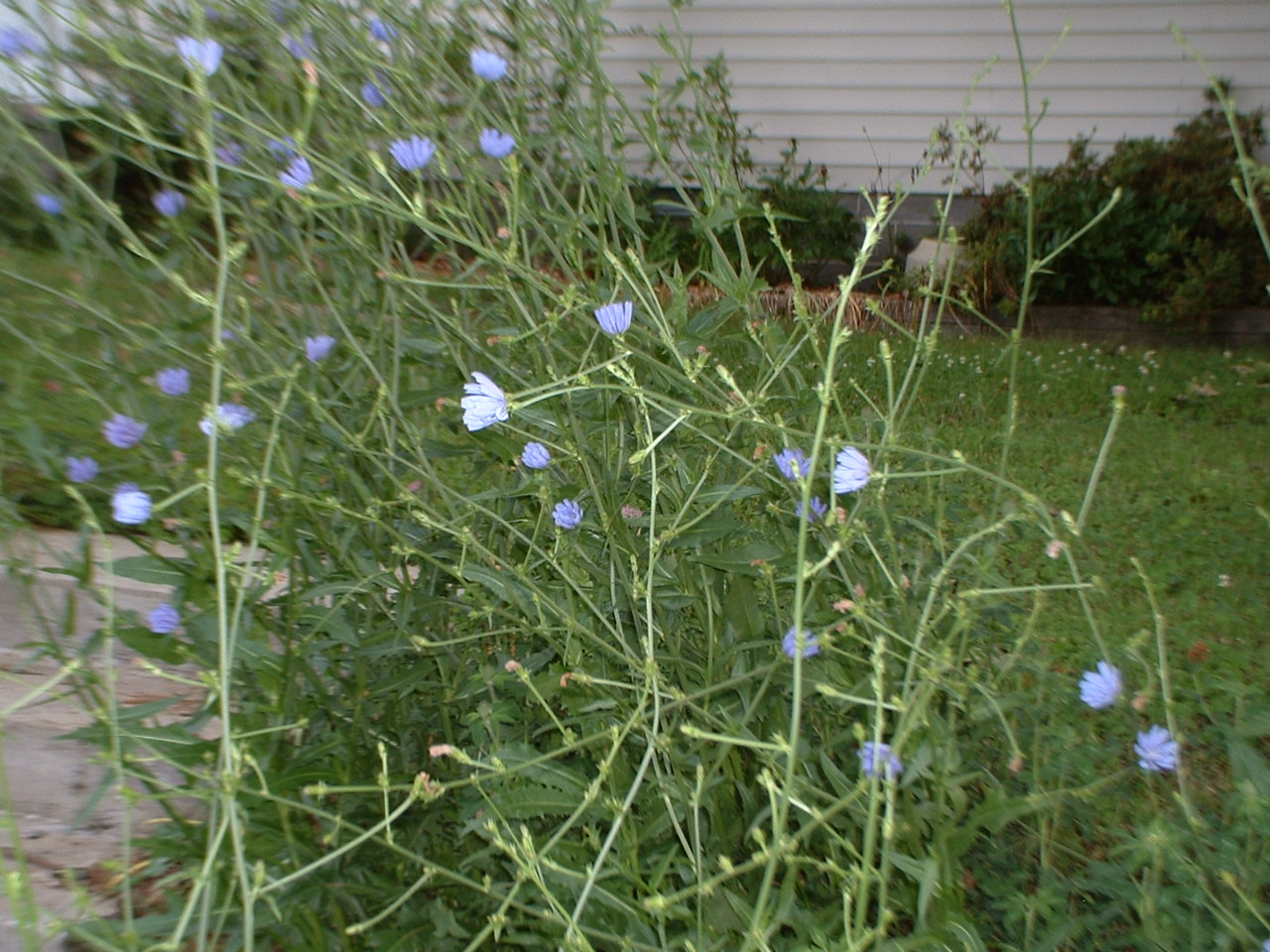
Ground and dried Chicory roots were used as a caffeine free coffee substitute during WW2 when coffee was rationed. Slightly bitter, the leaves and light blue flowers are good in salads.
My mother was raised on Lambs Quarter as a salad green. Like so many who grew up during the Great Depression, this was necessary to survival.

This is a Mulberry Tree. Sadly, the birds beat me to the Mulberries.

Narrow Leaf Plantin is used the same as its broad leaf cousin.

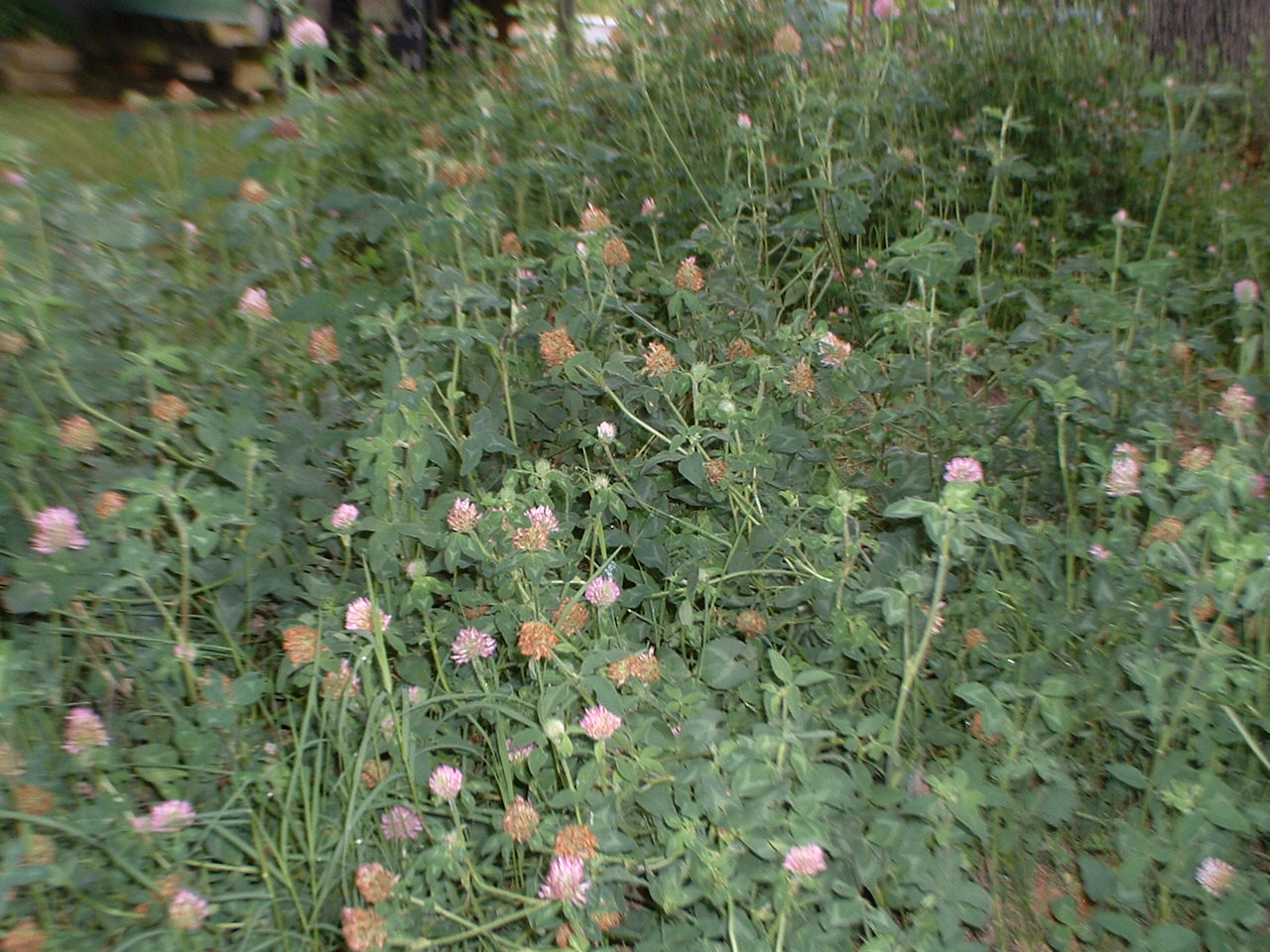
Most folks don't like it much but if you're really hungry you can eat clover. This is a red clover.
Spearmint is one of dozens of wild mints that grow here. We use it to flavor our iced tea and coffee.

Thistle is another plant that bites back if handled wrong. Pick the younger plants and boil the leaves until tender. I like to mix Dandelion greens, Plantin, Thistle and Chicory with a few wild onions and serve it with vinegar.

These aren't wild but Tomatillos are native to our area. The fruits grow inside a paper like husk that looks like a Chinese Lantern. Tomatillos are sometimes called Chinese Lanterns, Ground Cherries or Mexican Tomatos. They're $4.oo a pound in the grocery stores. I use them in salsas, make Tomatillo Relish, scramble them in eggs and fry them like green tomatoes.

Dutch White Clover grows anywhere and everywhere.

Another wild clover that has a bit of a sour taste.

This is a Wild Purple Basil. It's not as good as Sweet Basil but will do in a pinch. After trying to eradicate this stuff from our garden for 40 plus years we finally gave up and started eating it. I use it most often to flavor vinegar.


Tuesday, May 22, 2012
Cheap Animal Repellents
Got a problem with rats, cats, dogs, mice, squirrels, chip monks, Opossums, racoons, rabbits, deer or other mammals getting into your Uptown Greensboro gardens, chicken feed or wild bird feeders? For years and years we've kept the critters out of our Uptown garden by sprinkling black pepper-- the kind you sprinkle on your food-- onto anything we don't want them eating or digging in. Seems the only animals who like spicy foods are birds. Pepper will keep dogs from peeing on your car tires and cats from using your flower beds as litter boxes.
Recently we discovered you can buy ground Cayenne pepper for half the price of black pepper and it works equally as well saving you even more money. It even works to keep insects away from your vegetables.
So how do you repel pesky birds or pet birds who don't know their boundaries? Liquid soaps containing orange oil and garlic powder are two ways to keep your chickens and other birds out of the garden.
Recently we discovered you can buy ground Cayenne pepper for half the price of black pepper and it works equally as well saving you even more money. It even works to keep insects away from your vegetables.
So how do you repel pesky birds or pet birds who don't know their boundaries? Liquid soaps containing orange oil and garlic powder are two ways to keep your chickens and other birds out of the garden.
Subscribe to:
Posts (Atom)